
In today’s increasingly compact living spaces, maximizing every inch of available room is paramount. Wall-mounted hat racks, a time-honored solution, offer a stylish and practical way to store hats and other accessories. The Japanese aesthetic, renowned for its minimalist design and exquisite craftsmanship, lends itself perfectly to this functional need. This comprehensive guide explores the intricacies of Japanese wall-mounted hat racks, from their rich history and design principles to modern applications and cost considerations.
Beyond their immediate utility, these racks are more than just storage solutions; they are integral elements of interior design. The careful selection of materials, the meticulous attention to detail in their construction, and the subtle elegance of their form contribute to the overall ambience of a room. Whether traditional or contemporary in style, these racks seamlessly integrate with diverse design schemes.
Introduction to Wall-Mounted Hat Racks
Wall-mounted hat racks are a practical and stylish solution for storing headwear, offering a space-saving alternative to traditional floor-standing options. Their design often integrates seamlessly into interior decor, adding a touch of organization and visual appeal. These racks are particularly beneficial in apartments, small homes, or any space where maximizing vertical space is crucial.Beyond their functional purpose, wall-mounted hat racks contribute to a sense of order and tidiness.
Their presence often signals a conscious effort to create a well-designed and functional living space. This is especially important in today’s increasingly urbanized and compact living environments.
Types of Wall-Mounted Hat Racks
Wall-mounted hat racks come in a diverse range of materials, styles, and designs. This variety allows for personalization and adaptation to various interior design aesthetics. Choosing the right rack depends on the desired aesthetic and the amount of space available.
- Wooden Hat Racks: Often crafted from natural hardwoods like oak or walnut, these racks exude a classic and timeless appeal. The warm tones and natural grain patterns can complement a wide range of interior styles, from rustic to contemporary. The durability of wood is a significant advantage, making it a long-term investment.
- Metal Hat Racks: Metal racks, typically made of steel or wrought iron, offer a modern, industrial, or even ornate aesthetic. Their strength and durability make them suitable for high-traffic areas and frequent use. Metal racks can be powder-coated or finished in various colors to match existing décor.
- Plastic Hat Racks: Plastic racks are a cost-effective option, offering a lightweight and versatile alternative. Plastic is available in a wide range of colors and designs, easily adapting to a range of interior styles. While not as durable as wood or metal, plastic is generally resistant to rust and damage.
- Combination Hat Racks: These racks combine elements of different materials, creating unique and personalized storage solutions. For instance, a rack might have a wooden base and metal arms for hanging hats. Such combination racks provide a creative blend of styles and functionality.
Design and Style Considerations
The design and style of a wall-mounted hat rack are critical in creating a cohesive and visually appealing space. These factors directly influence the overall aesthetic of a room.
- Shape and Form: Hat racks come in various shapes, from simple, linear designs to more complex and elaborate ones. The choice of shape should complement the existing furniture and architectural features of the room. A minimalist design, for example, will look best in a modern living room, while a more ornate style could enhance a traditional study.
- Finish and Color: The finish and color of a hat rack are crucial in creating a harmonious look. Matching the color of the rack to existing furniture or décor elements can create a visually cohesive space. Conversely, a contrasting color can add a bold accent.
- Material Compatibility: The material of the rack should complement the other materials used in the room. For example, a wooden rack would look more harmonious in a room with wooden furniture and a warm color palette.
Space Utilization and Interior Design Impact
Wall-mounted hat racks are invaluable in optimizing space utilization, particularly in smaller homes or apartments. They free up valuable floor space, making the room feel larger and more open. These racks can enhance the aesthetic of a room, serving as a decorative element.
- Maximizing Vertical Space: Hat racks leverage vertical space, making the most of limited floor area. This is particularly beneficial in small apartments where every inch counts.
- Creating a Focal Point: A stylish wall-mounted hat rack can be a unique focal point in a room, drawing attention and adding visual interest.
- Creating a Sense of Order: Hat racks provide a dedicated space for storing hats, contributing to a sense of order and tidiness, making the room more organized and pleasant to be in.
History and Evolution of Hat Racks
The history of hat racks reflects societal changes and evolving interior design trends. From the early days of elaborate, decorative designs to the contemporary minimalist aesthetic, hat racks have adapted to changing preferences.
- Early Designs: Early hat racks, often elaborate and ornate, were used in stately homes and mansions. They reflected the status and wealth of their owners.
- Modern Adaptations: Modern hat racks incorporate contemporary design principles, emphasizing functionality and aesthetic appeal. The emphasis has shifted towards space-saving and minimalist designs.
- Sustainable Materials: Modern hat racks increasingly incorporate sustainable materials, reflecting a growing awareness of environmental concerns.
Design and Aesthetics of Japanese Hat Racks
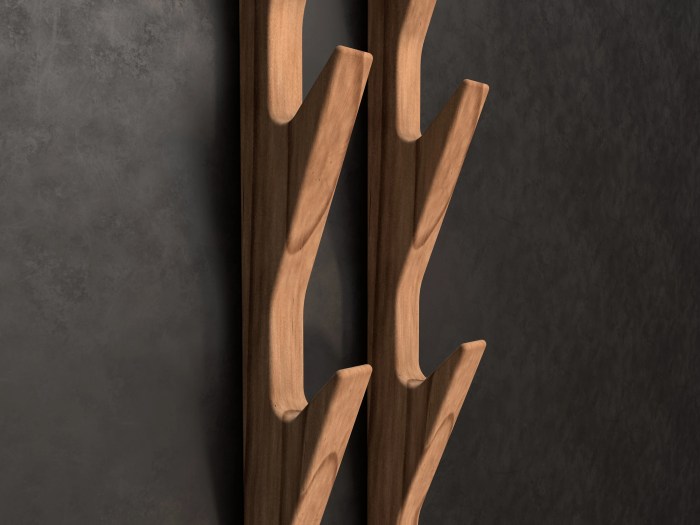
Japanese wall-mounted hat racks, often integrated seamlessly into a home’s design, are more than just functional storage. They are imbued with a deep respect for aesthetics and craftsmanship, reflecting the country’s enduring cultural values. These racks are meticulously crafted to enhance the overall ambiance of a space, often serving as miniature works of art.Japanese design principles, deeply rooted in nature and minimalism, translate beautifully into the design of these hat racks.
The emphasis on functionality and beauty, combined with a commitment to natural materials, results in a harmonious integration of form and function.
Materials and Techniques
Japanese wall-mounted hat racks frequently employ natural materials like wood, bamboo, or metal. Wood, often chosen for its warmth and texture, is typically treated with traditional Japanese finishing techniques to enhance its natural beauty. These techniques might involve natural oils or lacquers, preserving the wood’s integrity and adding a rich depth of color. Bamboo, known for its strength and lightweight nature, can be fashioned into elegant and visually appealing racks.
Metal, particularly brushed steel or hammered iron, offers a contemporary alternative, showcasing the meticulous craftsmanship of Japanese metalworking.
Design Styles
Traditional Japanese hat racks often feature clean lines and minimalist designs, reflecting the emphasis on simplicity. They might incorporate subtle curves and intricate details, often inspired by traditional Japanese motifs. Contemporary designs, while still adhering to core Japanese aesthetics, might incorporate modern materials and forms, presenting a unique blend of tradition and innovation. Examples include racks crafted from polished, dark wood with simple, geometric shapes, or sleek, metallic designs with minimalist mounts.
A modern hat rack might utilize a light-colored wood with a natural finish and simple, almost invisible mounting hardware.
Colors and Finishes
A palette of muted tones and natural colors frequently characterizes Japanese-style wall-mounted hat racks. Neutral shades like deep browns, warm grays, and natural beiges are common choices. Lacquer finishes, in subtle tones of black, dark gray, or deep red, further enhance the natural beauty of the materials. The emphasis is on creating a sense of harmony and tranquility, achieved through understated color palettes that complement the surrounding décor.
Minimalism and Functionality
Minimalism is a cornerstone of Japanese design. Hat racks are often designed to be both aesthetically pleasing and highly functional. The form follows function, with each element meticulously considered to maximize space efficiency without compromising beauty. The streamlined design allows for easy integration into any décor, and the simple lines of these racks provide a visually calming and uncluttered atmosphere.
A well-designed Japanese hat rack seamlessly blends into the surrounding environment, rather than becoming a focal point. For example, a minimalist bamboo rack, mounted unobtrusively, is a perfect example of this balance. Its natural beauty enhances the space without demanding attention.
Materials and Construction
Japanese wall-mounted hat racks, prized for their aesthetic and functional design, are available in a range of materials. Choosing the right material hinges on factors like desired aesthetic, budget, and the anticipated level of use. The selection process involves careful consideration of durability, maintenance, and installation complexity.From traditional craftsmanship to contemporary design, the construction methods and materials employed for these racks significantly impact their longevity and appeal.
The durability and maintenance requirements of various materials are crucial considerations for prospective buyers.
Material Comparison
Different materials offer distinct advantages and disadvantages. Wood, a classic choice, often evokes a warm, natural aesthetic. However, its susceptibility to moisture and warping necessitates careful maintenance. Metal, particularly steel or wrought iron, provides robust construction, resisting warping and damage. However, the cold, industrial feel may not suit every decor.
Bamboo, known for its lightweight nature and strength, complements contemporary interiors. Its maintenance demands are moderate, but it may require occasional refinishing to maintain its natural luster.
Durability and Maintenance
The durability of a wall-mounted hat rack directly correlates with the material’s inherent properties and the quality of construction. Wood racks, while visually appealing, require regular upkeep, including sealing to prevent moisture damage and periodic repairs. Metal racks, with their inherent strength, generally require less maintenance. Bamboo, a relatively low-maintenance option, may still need occasional treatment to protect it from the elements.
Construction Methods
The construction of wall-mounted hat racks varies based on the chosen material. Wood racks often utilize mortise and tenon joints for structural integrity, while metal racks might employ welded or riveted connections. The method employed influences the rack’s load-bearing capacity and overall stability. Critical safety considerations include proper anchoring to the wall to prevent tipping or falling.
Installation Process
Proper installation is essential for both the safety and aesthetic appeal of the hat rack. The installation process requires accurate measurement, secure anchoring, and adherence to local building codes. Necessary tools include a drill, measuring tape, level, and appropriate fasteners. The manufacturer’s instructions should be carefully followed for optimal results.
Recommended Accessories
Accessories enhance the functionality and appeal of wall-mounted hat racks. For example, additional hooks or shelves for scarves or bags, or decorative wall brackets to match the rack’s aesthetic, could be considered.
Functionality and Space Saving
Wall-mounted hat racks, particularly those with a Japanese aesthetic, offer a compelling blend of style and practicality, especially in optimizing limited space. Their design elevates the entryway or hallway from a mere transit zone to a visually appealing and functional space. By incorporating a wall-mounted hat rack, homeowners can significantly improve the flow and efficiency of daily routines.Japanese design principles often prioritize minimalism and efficiency, directly translating to how these hat racks maximize the available space.
This focus on streamlined aesthetics and function is especially appealing in modern homes where space optimization is a crucial consideration. The integration of these racks can transform cluttered areas into stylish and organized hubs.
Maximizing Space Utilization
Wall-mounted hat racks excel at space maximization. Their design eliminates the need for bulky, free-standing racks, freeing up valuable floor space, particularly in tight entryways and hallways. This feature is especially crucial in apartments or smaller homes where every square foot counts. The vertical orientation allows for the storage of multiple hats without sacrificing valuable floor area. The ability to stack hats neatly, or use shelves or compartments, further enhances space utilization.
Organizing and Storing Hats and Accessories
Effective organization is key to the full potential of a wall-mounted hat rack. Grouping hats by type or season is an effective strategy. For example, using a small, decorative box on the rack for gloves, scarves, and other accessories allows for a tidy and visually appealing display. This also helps maintain the rack’s organized appearance and prevent clutter.
Integrating Additional Storage Solutions
The functionality of a wall-mounted hat rack extends beyond just hats. Adding hooks or shelves allows for the storage of bags, umbrellas, or even keys. This clever integration transforms the rack into a multi-functional storage unit. Small baskets or trays placed on the rack can further organize smaller items, maintaining a clutter-free environment.
Blending with Interior Styles
The adaptability of a wall-mounted hat rack is remarkable. The understated elegance of a Japanese-style hat rack can seamlessly integrate with various interior styles, from modern minimalism to traditional aesthetics. The clean lines and minimalist design allow it to blend seamlessly with contemporary décor. The natural wood finish or sleek metal frame can enhance the overall aesthetic of the space.
The muted colors typical of Japanese design make it a versatile addition to a wide range of interior themes. This versatility is a significant advantage for homeowners seeking a functional and aesthetically pleasing solution. The subtle sophistication of the rack can complement the style of a room without overpowering it.
Size and Capacity
Choosing the right wall-mounted hat rack hinges on understanding its size and capacity. A well-selected rack maximizes space utilization and ensures efficient storage without compromising aesthetic appeal. A poorly sized rack can look cluttered and detract from the overall design of a room.
Size Comparison
Determining the ideal size for a hat rack requires careful consideration of the number of hats to be stored and the available wall space. The following table presents various size options and their corresponding capacities, offering a practical guide for selection.
Selecting the Right Size
The table above provides a benchmark for different sizes and their associated capacities. A smaller rack (e.g., 30x20cm) is suitable for a smaller collection or a hallway entryway. A larger rack (e.g., 50x40cm) is more appropriate for a family or someone with a sizable hat collection. The weight figures indicate the rack’s structural integrity. Consider the weight capacity of your wall and the overall stability required.
Measuring for Optimal Placement
Before making a purchase, meticulous measurement of the available wall space is crucial. Accurate measurements ensure a proper fit and avoid any potential issues with installation. Ensure the rack’s dimensions align with the intended area and that there’s sufficient space around it for convenient access. Consider the proximity of other fixtures or furniture to ensure the hat rack doesn’t interfere with their placement or use.
This careful planning is essential to prevent future complications and maintain the aesthetic harmony of the room.
Maintenance and Care
Japanese wall-mounted hat racks, prized for their aesthetic appeal and space-saving design, require thoughtful maintenance to preserve their beauty and longevity. Proper care extends the rack’s lifespan and ensures it continues to serve its function seamlessly, complementing the surrounding decor. Neglecting maintenance can lead to premature deterioration and reduced functionality.Careful upkeep is key to preserving the exquisite craftsmanship and materials used in these decorative items.
Regular cleaning and preventative measures are crucial for maintaining the integrity of the rack and preventing potential damage. This section Artikels essential steps for maintaining different materials, preventing damage, and addressing issues effectively.
Cleaning Different Materials
Maintaining the pristine condition of a wall-mounted hat rack depends heavily on the material used. Different materials react differently to cleaning agents. Improper cleaning can lead to damage or discoloration.
- Wood: Wood racks benefit from gentle cleaning with a soft, damp cloth. Avoid harsh chemicals or abrasive cleaners, as they can scratch or damage the wood’s finish. A slightly dampened microfiber cloth is ideal for removing dust and smudges. For more stubborn marks, a mild wood cleaner specifically designed for the type of wood finish can be used, following the product instructions meticulously.
Regular application of a quality wood polish can enhance the natural beauty of the wood and protect it from moisture damage.
- Metal: Metal racks, often featuring brushed or lacquered finishes, require a different approach. A soft cloth dampened with mild dish soap or a metal polish specifically designed for the finish is recommended. Avoid abrasive cleaners, which can scratch the surface. For rust prevention, regularly wipe down the metal with a dry cloth, especially after exposure to moisture.
If rust does appear, consult with a specialist for appropriate removal methods.
- Bamboo: Bamboo racks, known for their natural beauty, should be cleaned with a soft cloth and lukewarm water. Avoid harsh chemicals and excessive water, which can damage the natural fibers. A gentle wipe-down after each use can help maintain the bamboo’s integrity.
Preventing Damage and Extending Lifespan
Implementing preventative measures can significantly extend the lifespan of a wall-mounted hat rack. These measures encompass various aspects of usage and storage.
- Proper Storage: When not in use, store hats carefully to avoid excessive weight on the rack’s hooks. Heavily weighted hats or those with sharp edges can cause damage to the hooks over time. Avoid stacking hats on top of each other, as this can also strain the structure of the rack.
- Environmental Protection: Protect the rack from extreme temperatures, moisture, and direct sunlight. These factors can lead to warping, discoloration, or rust, depending on the material. Avoid placing the rack in areas with high humidity or direct sunlight exposure to maintain its structural integrity.
- Regular Inspections: Regularly inspect the rack for any signs of damage, such as loose hooks, cracks, or warping. Addressing these issues promptly can prevent further deterioration and maintain the rack’s structural integrity.
Addressing Potential Issues
Prompt action is essential when dealing with issues arising from improper use or environmental factors.
- Loose Hooks: If hooks become loose, tighten them with appropriate tools or consult a professional for repair. Loose hooks can lead to hats falling off or damaging the structure of the rack.
- Scratches or Marks: Scratches or marks on the surface can be addressed by using appropriate fillers or touch-up paint, matching the original finish. Prompt action prevents the spread of damage.
- Rust: Rust on metal racks can be addressed with specialized rust removers. Follow product instructions meticulously to avoid further damage to the surface. Prevention is key; regular wiping down with a dry cloth after exposure to moisture can greatly reduce the risk of rust formation.
Suitable Cleaning Products
Choosing the right cleaning products is crucial for effective maintenance and avoiding damage.
| Material | Cleaning Product |
|---|---|
| Wood | Mild wood cleaner, wood polish |
| Metal | Mild dish soap, metal polish |
| Bamboo | Lukewarm water, soft cloth |
Importance of Regular Maintenance
Regular maintenance is paramount for preserving the aesthetic appeal and functional longevity of a wall-mounted hat rack. Consistent upkeep prevents the accumulation of dust, dirt, and other debris, which can contribute to premature deterioration. Proactive maintenance safeguards the rack’s structure, ensuring it continues to serve its purpose for many years.
Cost and Price Analysis
Japanese wall-mounted hat racks, prized for their aesthetic appeal and functionality, exhibit a wide range of pricing. The cost is influenced by several factors, including material selection, craftsmanship, and the rack’s size and complexity. Understanding these variables is crucial for consumers seeking a rack that aligns with their budget and design preferences.
Price Ranges for Different Types and Sizes
Wall-mounted hat racks span a spectrum of price points, varying considerably based on the materials used, the size, and the level of craftsmanship. Entry-level racks, often crafted from readily available materials like bamboo or painted metal, can be purchased for under $50. Mid-range options, featuring more intricate designs or higher-quality woods, might fall between $50 and $150. Premium racks, constructed from exotic woods or incorporating elaborate metalwork, can command prices exceeding $150.
For example, a simple bamboo rack for a small entryway might cost around $25, while a substantial wooden rack with multiple tiers for a large family room could exceed $100.
Material Cost Comparison
The choice of material significantly impacts the price of a wall-mounted hat rack. Different materials possess varying cost structures, leading to different price points for the final product.
| Material | Estimated Cost (USD) |
|---|---|
| Wood | $20-$100 |
| Metal | $30-$150 |
| Bamboo | $15-$75 |
The cost of wood varies considerably based on the type of wood (e.g., pine, oak, cherry). Similarly, the cost of metal is influenced by the type of metal (e.g., steel, wrought iron, aluminum) and the level of finishing. Bamboo, often a more budget-friendly option, still presents variability in price depending on its quality and finish. For instance, a simple pine wood rack might cost around $20, while a high-end cherry wood rack with intricate carvings could approach $100.
Factors Influencing Rack Prices
Several factors contribute to the overall price of a wall-mounted hat rack. The complexity of the design, the level of craftsmanship, and the quality of the materials directly influence the cost. More intricate designs and elaborate construction methods invariably increase the price. Furthermore, the size and capacity of the rack play a crucial role; larger racks with multiple tiers typically command higher prices.
Finally, the brand reputation and the associated marketing efforts also impact the final price. For example, a rack from a well-known artisan might command a higher price compared to an off-brand product of similar quality.
Installation and Setup
![[USD 55.71] Hard hat shelf placement rack hard hat stand stand display stand hanging wall hard ...](https://millionmembers.web.id/wp-content/uploads/2025/06/TB2LbxtrSBjpuFjSsplXXa5MVXa_2258191020.jpg "[USD 55.71] Hard hat shelf placement rack hard hat stand stand display stand hanging wall hard ...")
A well-installed wall-mounted hat rack ensures both aesthetic appeal and long-term functionality. Proper installation procedures are critical for the rack’s stability and longevity, preventing potential damage or injury. Careful adherence to the steps detailed below will guarantee a successful and safe installation.
Necessary Tools and Materials
Ensuring the necessary tools and materials are readily available before commencing the installation process is crucial. This proactive measure avoids disruptions and potential delays. The following list Artikels the essential components.
- Drill with various drill bits (appropriate for the wall material and mounting hardware)
- Level
- Pencil or marker
- Measuring tape
- Screwdriver (appropriate for the mounting hardware)
- Safety glasses
- Wall anchors (if required, depending on the wall type)
- Mounting screws
- Hat rack
Safety Procedures
Prioritizing safety during installation is paramount. Adhering to these safety precautions safeguards both the installer and the surrounding environment.
- Always wear safety glasses to protect your eyes from debris during drilling.
- Ensure the area around the installation site is clear of obstructions and hazards.
- If working on a plaster or drywall wall, use wall anchors to prevent the screws from pulling out.
- When using power tools, exercise caution and follow manufacturer instructions.
- Never overload the hat rack beyond its weight capacity.
- Ensure the mounting surface is stable and suitable for the weight of the hat rack.
Step-by-Step Installation Guide
The following table provides a detailed step-by-step guide for installing a wall-mounted hat rack. Adherence to these instructions guarantees a secure and aesthetically pleasing installation.
| Step | Description |
|---|---|
| 1 | Mark the Location: Using a level and measuring tape, precisely mark the desired location for the hat rack on the wall. Ensure the rack is positioned to meet aesthetic preferences and accessibility needs. |
| 2 | Drill Pilot Holes: Drill pilot holes at each marked location, ensuring the holes align with the mounting holes on the back of the hat rack. The pilot holes will help prevent the screws from stripping the wood or plaster. The size of the pilot holes should match the diameter of the mounting screws. |
| 3 | Attach the Rack: Carefully insert the mounting screws into the pre-drilled pilot holes. Tighten the screws securely to ensure the hat rack is firmly affixed to the wall. Avoid over-tightening to prevent damage to the wall or the hat rack. |
Cultural Significance of Hat Racks in Japan
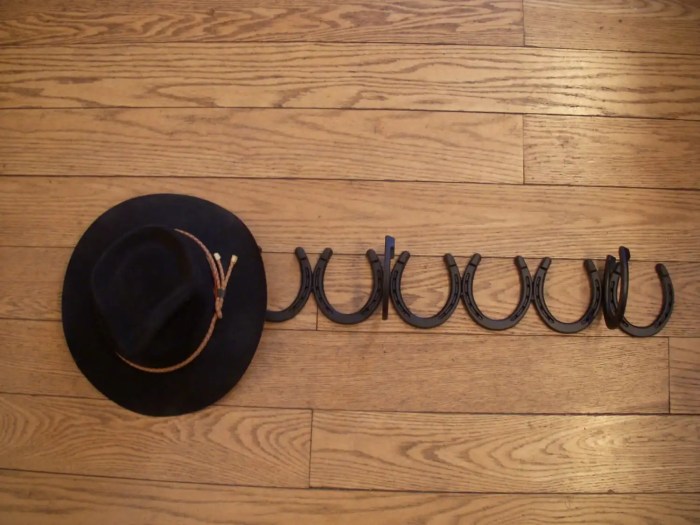
Hat racks, seemingly simple pieces of furniture, hold a deeper cultural significance in Japan, reflecting societal values and historical context. Their presence in homes, businesses, and public spaces often speaks volumes about the wearer, their status, and the values of the space itself. More than just a place to store headwear, these racks often embody traditional aesthetics and functionality.Beyond their practical use, Japanese hat racks possess a rich history intertwined with the nation’s social and cultural evolution.
Their design, materials, and placement in different settings contribute to a unique understanding of Japanese customs and traditions. These racks are more than mere storage; they are a testament to the subtle ways culture shapes everyday objects.
Traditional Use in Japanese Culture
Hat racks, orkabuto-dai*, in traditional Japan, were integral to samurai culture. These racks, often crafted from lacquered wood or metal, held the elaborate helmets and armor worn by warriors. Their presence signified a connection to the past, to martial traditions, and to the respect accorded to warriors. Their design often mirrored the elegance and craftsmanship associated with samurai attire.
This reflects a deeper societal respect for those who served in the military.
Symbolic Meanings Associated with Hat Racks
The placement and design of hat racks in Japan often carry symbolic weight. For instance, a hat rack prominently displayed in a tea ceremony room could signify the importance of tradition and respect for the rituals of the ceremony. Similarly, a hat rack in a public building might indicate a commitment to order and hierarchy, a reflection of the structured society.
The meticulous craftsmanship and attention to detail in the design of these racks can communicate the value placed on artistry and aesthetics in Japanese culture.
Examples of Use in Different Japanese Settings
Hat racks are found in various settings, reflecting their adaptability to different functions. In traditional homes, hat racks might be a simple, unadorned piece, serving a practical purpose. In more formal settings, such as tea houses or shrines, hat racks could be more ornate, reflecting the reverence and respect for the space. Similarly, a hat rack in a dojo would symbolize the respect for the martial arts traditions.
The style and material used would vary depending on the formality and purpose of the location.
Historical Context and Evolution
The design of Japanese hat racks evolved alongside the changing social landscape of Japan. Initially, they were simple structures designed to hold helmets. As societal values changed, so too did the design, evolving from functional necessities to aesthetic expressions. The materials used, from lacquered wood to intricately carved wood, also reflect the changing economic and artistic trends of the era.
This evolution is a reflection of the ever-changing cultural landscape.
Comparison to Hat Racks from Other Cultures
While hat racks exist in various cultures, the symbolic meanings and cultural context surrounding them differ significantly from those in Japan. The use of hat racks in other cultures might primarily be functional, whereas in Japan, they often hold a richer layer of cultural and historical significance. For instance, the use of hat racks in European cultures might be focused on practicality, whereas in Japan, the aesthetic and symbolic values often take precedence.
This highlights the unique cultural significance of Japanese hat racks.
Modern Applications and Trends
Japanese wall-mounted hat racks, traditionally associated with minimalist elegance and practicality, are experiencing a resurgence in modern design. Their time-tested functionality, combined with evolving aesthetic sensibilities, is leading to innovative adaptations for contemporary lifestyles. These racks are no longer confined to traditional Japanese interiors but are finding a place in diverse modern design concepts, showcasing adaptability and versatility.
Current Trends in Design
Contemporary hat rack designs move beyond the classic, lacquered wood. Materials like powder-coated metal, polished concrete, and even woven bamboo are now commonly used, offering a wider palette of aesthetics. Geometric shapes and sleek lines are gaining popularity, replacing more ornate traditional designs. This shift reflects a desire for clean, modern spaces and a move away from overly fussy ornamentation.
Adapting for Modern Lifestyles
The functionality of wall-mounted hat racks is being enhanced to cater to modern needs. Multi-tiered designs are becoming increasingly popular, maximizing space for a variety of items beyond hats, including bags, scarves, and even small accessories. Some models are integrating hooks and shelves, allowing for organized storage of a wider range of belongings. This adaptability addresses the needs of busy modern households and emphasizes a more efficient use of vertical space.
Innovative Designs Combining Functionality and Aesthetics
Innovative designs are blending functionality with aesthetics in striking ways. For example, hat racks are being integrated into modular wall systems, allowing for seamless transitions between different zones in a home. The use of transparent materials, like acrylic or glass, showcases the items stored while maintaining a light and airy feel. These designs prioritize both the practicality of storage and the visual appeal of the rack itself, ensuring a stylish touch to any space.
Integration into Modern Interior Design Concepts
Wall-mounted hat racks can seamlessly integrate into various modern interior design concepts. In minimalist spaces, their clean lines complement the overall aesthetic, emphasizing a sense of calm and order. In industrial-chic settings, metal or concrete racks can add a touch of rugged sophistication. In bohemian-inspired homes, woven bamboo or natural wood racks can bring a warm and earthy feel.
These racks offer versatility, enabling homeowners to tailor the aesthetic of their space to their individual preferences.
Customization for Various Needs
Customization options are expanding, allowing homeowners to adapt hat racks to their specific needs. Racks are available in varying sizes and capacities, allowing for tailored storage solutions. Customizable hooks, color options, and even integration with smart home technology (e.g., illuminated hooks) are emerging, further expanding the range of personalization options. The adaptability and customization options cater to a broad range of individual preferences and household requirements.
Comparison to Other Storage Solutions
Wall-mounted hat racks offer a compelling alternative to traditional hat storage, particularly in space-constrained environments. However, their effectiveness hinges on a comparative analysis with other solutions, considering factors like aesthetics, cost, and functionality. This section delves into the advantages and disadvantages of various hat storage options, ultimately highlighting the unique value proposition of wall-mounted hat racks.
Alternative Hat Storage Solutions
Various methods exist for storing hats, each with its own set of pros and cons. Understanding these alternatives allows for a more nuanced appreciation of wall-mounted hat racks.
- Hat Boxes and Bins: Hat boxes and bins provide a contained and organized space for hats, ideal for maintaining shape and preventing dust accumulation. They offer excellent protection, but may not be as space-efficient as wall-mounted racks, particularly in tight spaces. Their aesthetic appeal can vary greatly depending on the design. Examples include custom-made wooden boxes or inexpensive plastic bins.
- Closet Shelves and Organizers: Closet shelves and organizers are versatile storage solutions. They can accommodate hats alongside other clothing items. However, they can quickly become cluttered if not managed effectively, potentially hindering easy access to hats. The aesthetics of the storage solution depend on the design and color of the shelves and organizers used. Additionally, they may not maximize space usage compared to a wall-mounted rack, particularly if the closet space is limited.
- Hat Stands and Hangers: Hat stands and hangers offer a dedicated space for individual hats, often preserving their shape. These are generally compact and useful for smaller collections. However, they can be bulky, taking up considerable space compared to wall-mounted racks, especially if a large number of hats need to be stored. Their aesthetic appeal depends on the design of the hat stand or hanger.
Comparative Analysis of Storage Solutions
A clear comparison is essential to understand the distinct advantages of wall-mounted hat racks.
| Feature | Wall-Mounted Hat Rack | Hat Boxes/Bins | Closet Shelves/Organizers | Hat Stands/Hangers |
|---|---|---|---|---|
| Space Saving | High, maximizes vertical space | Moderate, depends on size and quantity | Moderate to Low, depends on closet size and organization | Low, requires significant floor space |
| Aesthetics | Stylish, often a design element | Varies greatly, can be visually unappealing if not well-designed | Varies, can be integrated into the overall closet aesthetic | Varies, can be simple or elaborate |
| Cost | Moderate, depending on material and design | Low to Moderate, depending on material and size | Low to Moderate, depending on design and quantity | Low to Moderate, depending on material and design |
| Functionality | Simple, efficient, easy access | Excellent for shape and dust protection | Versatile, can accommodate various items | Good for individual hat display |
Advantages and Disadvantages of Wall-Mounted Hat Racks
Wall-mounted hat racks offer a distinct advantage over other solutions. Their efficiency in maximizing vertical space makes them particularly attractive in apartments and homes with limited floor space. The stylish designs integrate seamlessly into the home decor. However, the cost may be higher compared to simple hat boxes, depending on the materials and design.
Last Recap
Japanese wall-mounted hat racks represent a compelling blend of function and form. From the delicate artistry of bamboo to the sturdy strength of metal, these racks cater to various budgets and styles. This guide has explored the key aspects of these versatile storage solutions, providing a comprehensive understanding of their design, materials, functionality, and cost considerations. Ultimately, the perfect wall-mounted hat rack not only enhances a space but also embodies the spirit of Japanese design principles.
